Four Seasons Hotel and Residences
Location: New Orleans, LA
Specialty Contractor: STRUCTURAL
The historic 33-story Four Seasons Hotel and Residences in New Orleans was successfully restored and structurally strengthened after Hurricane Katrina through a carefully coordinated design-build effort using advanced reinforcement techniques that met strict historic preservation standards while extending the building’s service life.


PROJECT DETAILS
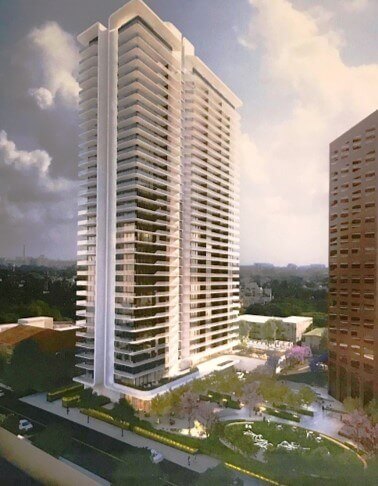
Four Seasons Hotel and Residences (formerly Two Canal Place) is a historic multi-story building in New Orleans, LA. Formerly a professional hub and home to the New Orleans Trade Center, the skyline fixture stood desolate for decades after enduring hurricanes, recessions, and other significant threats. The 33-story skyscraper commands the riverfront and city’s skyline with close to 500 feet from ground to rooftop. The building was designed by legendary architect Edward Durell Stone as the nation’s first purpose-built world trade center, oriented to the four points of the compass, at the crossroads of international commerce. It was added to the National Registry of Historic Places in 2014.
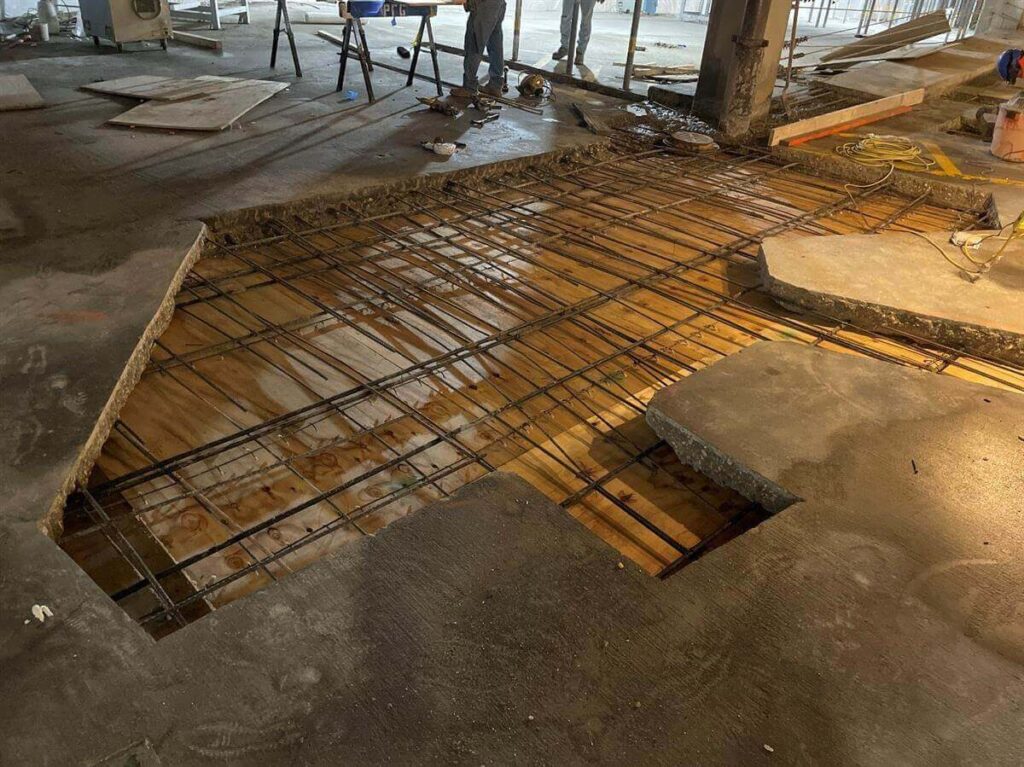
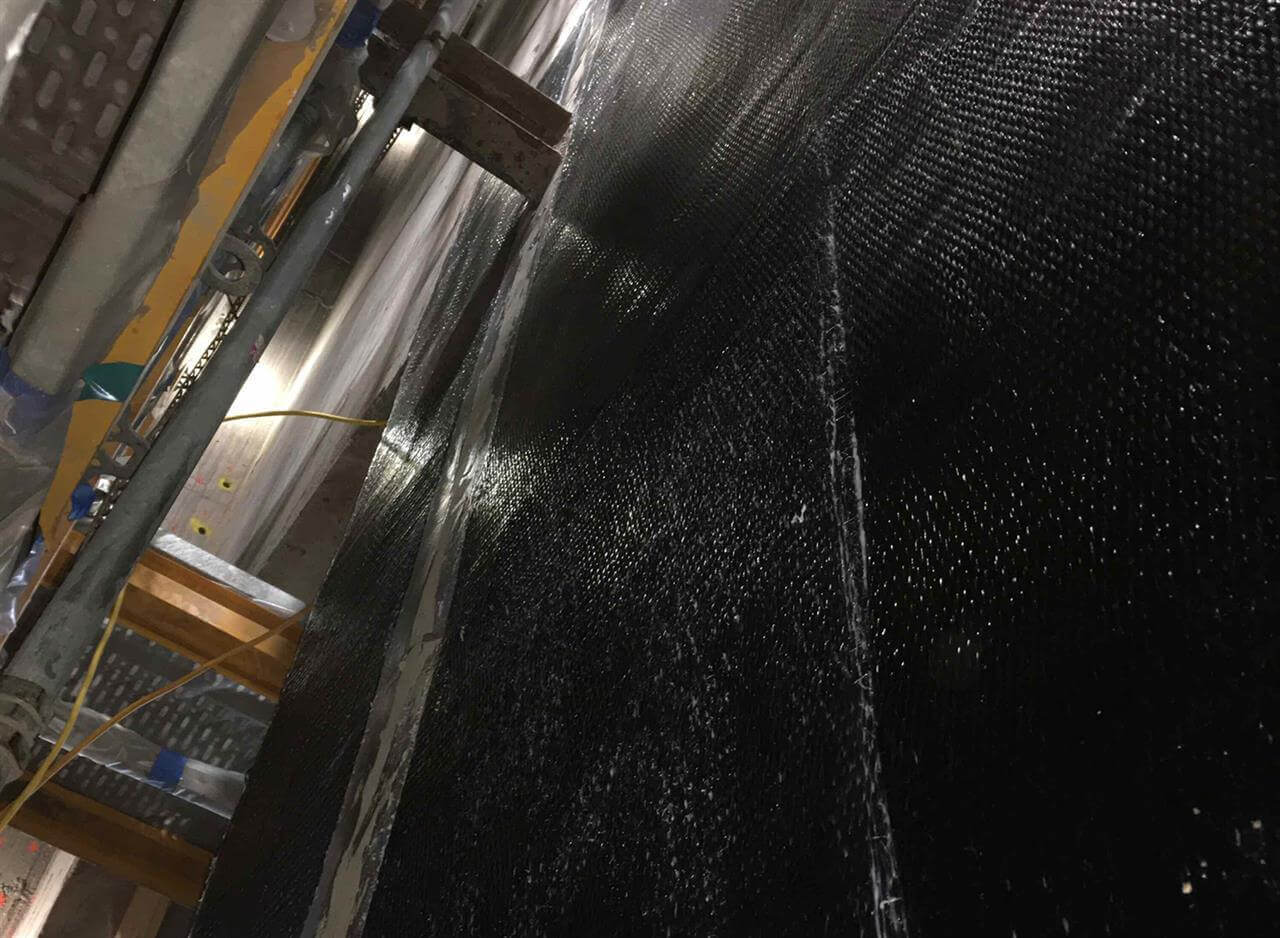
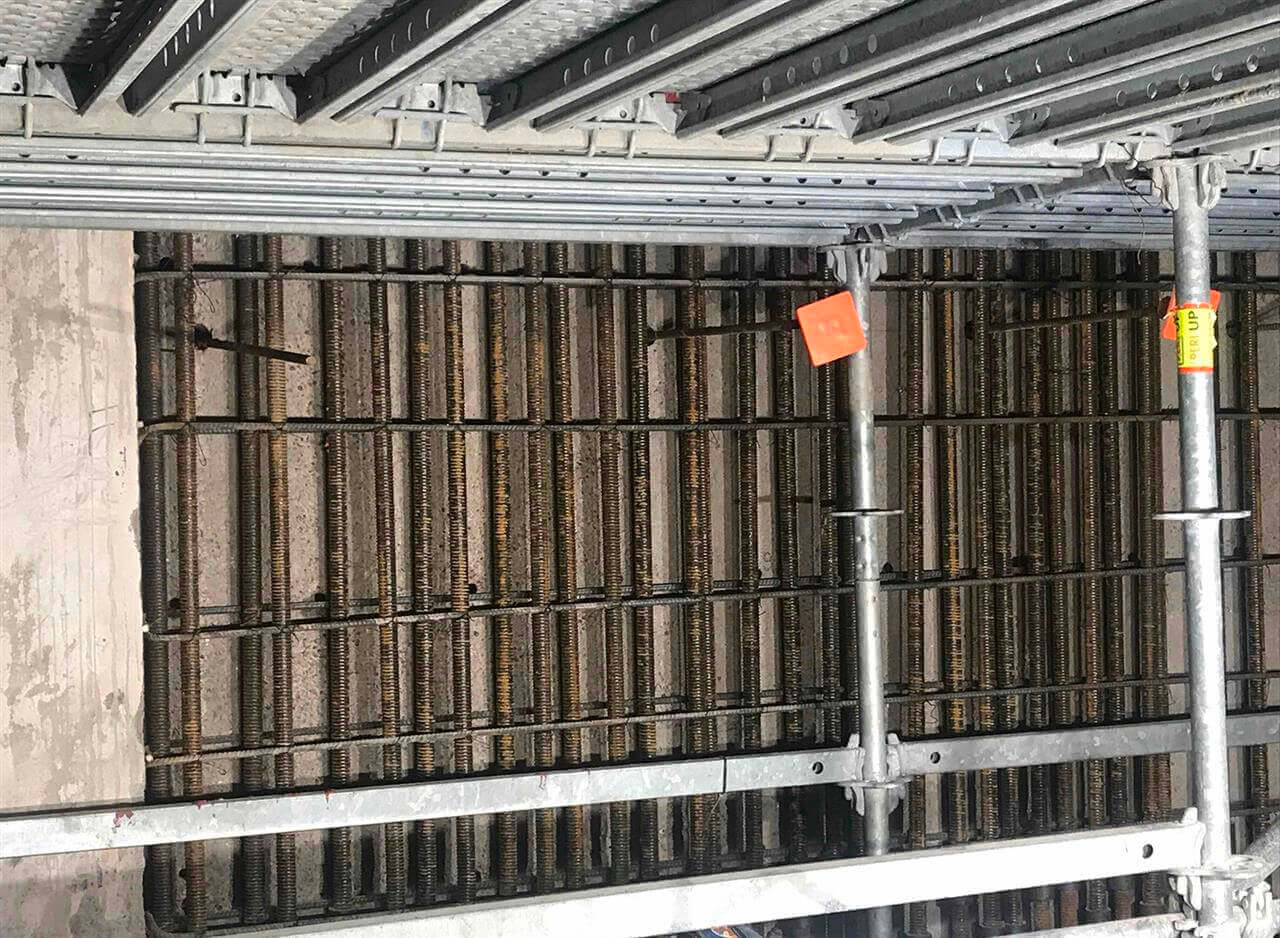
With high wind speeds of 174 mph, Hurricane Katrina was a large and destructive Category 5 hurricane that caused over $125 billion in damages in late August 2005. The building was able to survive the storm but needed major structural upgrades to extend its service life. Working with the design-build team, STRUCTURAL worked to develop a multi-faceted strengthening solutions approach with Tstrata for upgrading the lateral load-resisting system of the structure and increasing the capacity of the existing shear walls. The strengthening solutions utilized included externally bonded carbon fiber reinforcement (FRP) and Near-Surface Mounted (NSM) carbon fiber Bar, bonded steel plates, and form-and-pump concrete wall and column section enlargement.
With the building being a historic site, all structural modifications and strengthening work needed to meet strict standards to uphold the historical value of the building. Cambridge Structural Consultant LMessurier developed a 3D computer model of the building that included all gravity loads, wind loads determined from wind tunnel testing, and seismic loads.
With some of the concrete section enlargements being at or below grade, the project team had to consistently monitor and schedule work around the changing water levels of the Mississippi River. With so many different trades and contractors on-site, coordination and timely communication were paramount to maintaining efficiency. The project team developed and implemented numerous novel processes and leveraged cloud-based project management software to coordinate with all trades and assist the general contractor in keeping the project on track.
The design-build team worked together to reinforce concrete, and successfully rebuild and restore a historical Louisiana landmark. Each of the methods used in the rehabilitation was carefully chosen to meet the idiosyncrasies of the project and carried out in a safe and timely manner.