Entergy Transmission Towers
Location: Luna, AR & Greensville, MS
Owner: Entergy Arkansas, Inc.
Specialty Contractor: STRUCTURAL
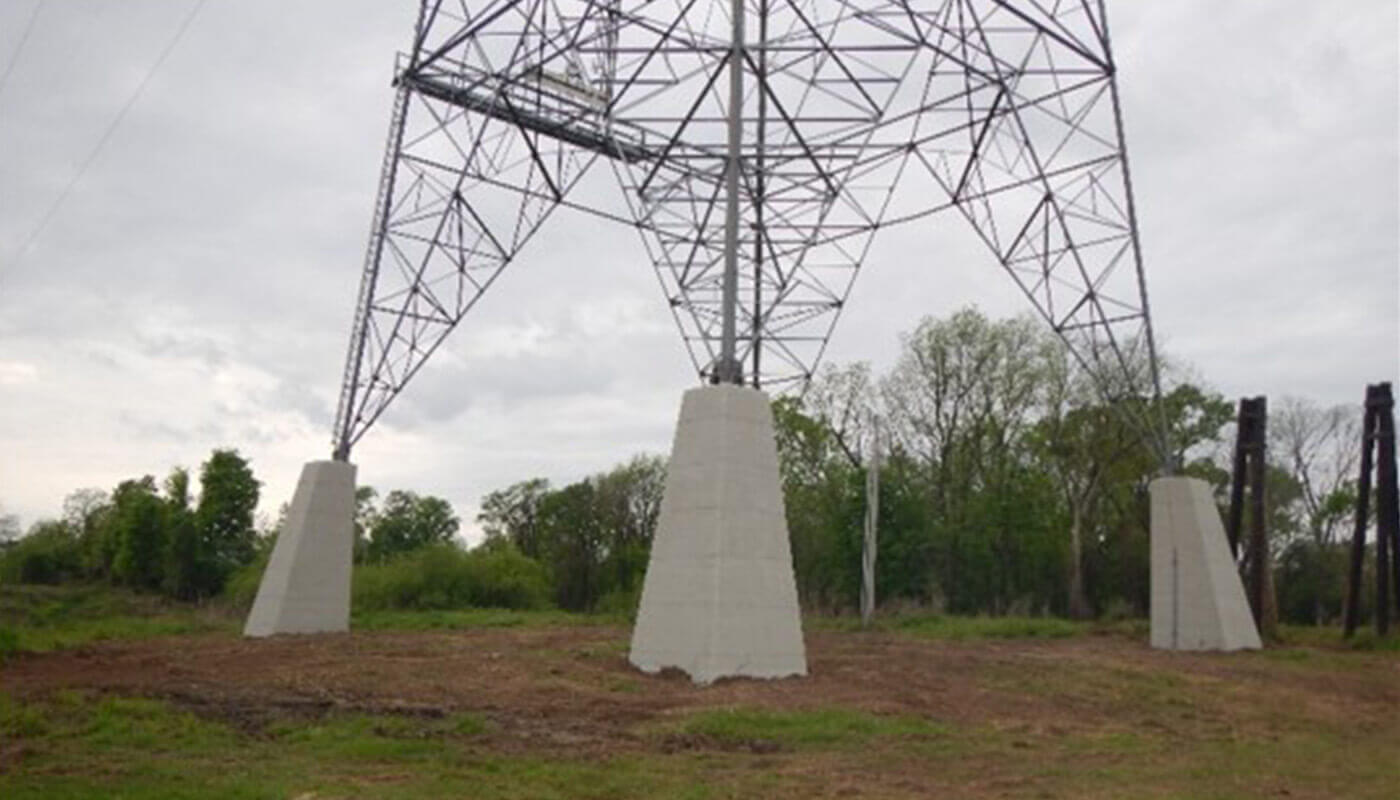
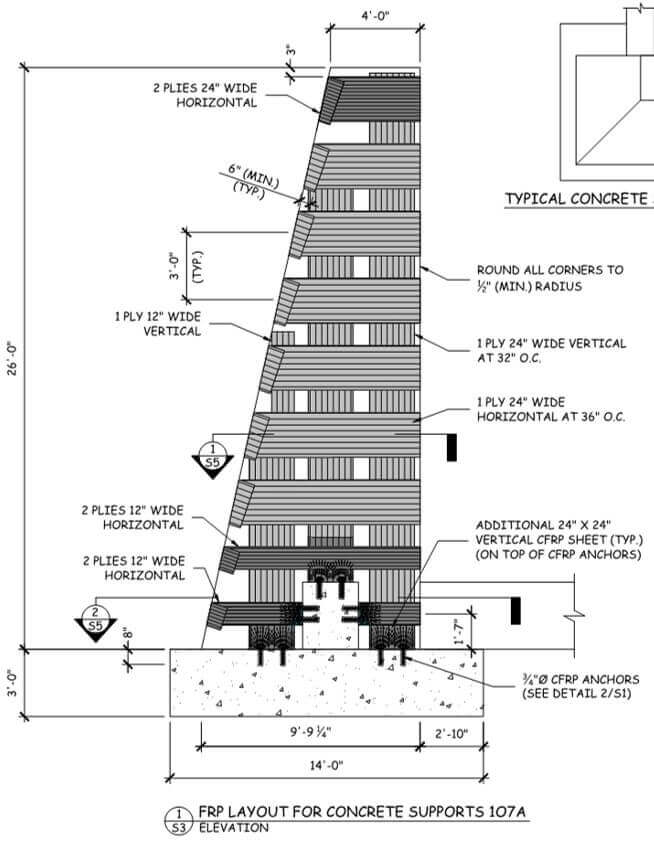
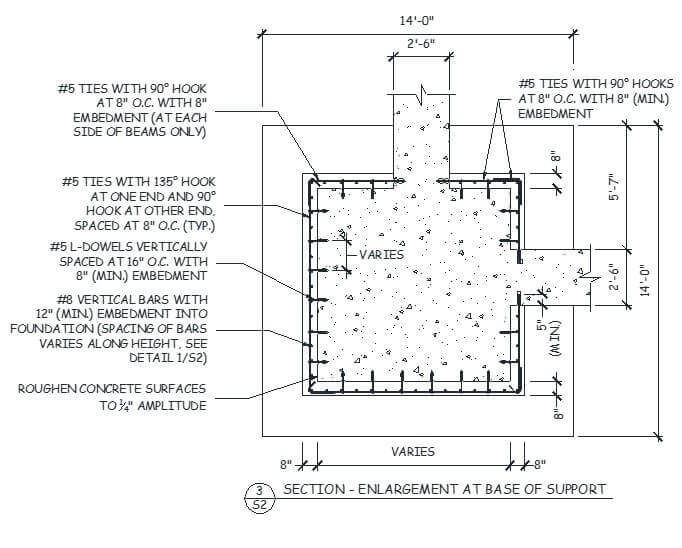
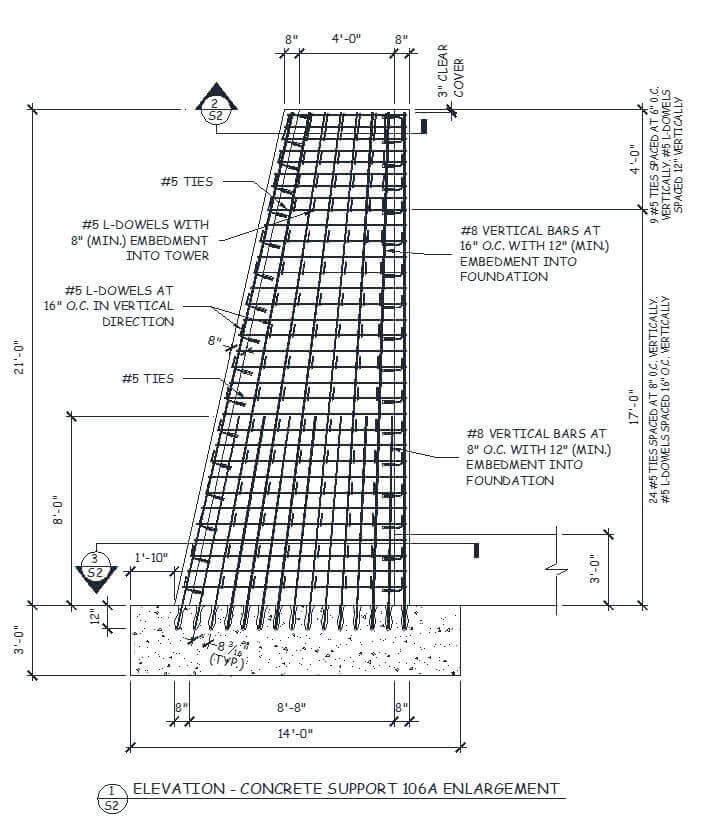
Entergy Arkansas repaired and strengthened cracked concrete foundations at two transmission towers by monitoring and testing the damage, injecting epoxy into cracks, and reinforcing the columns with carbon FRP systems, successfully extending the towers’ service life despite challenging site and weather conditions.

PROJECT DETAILS
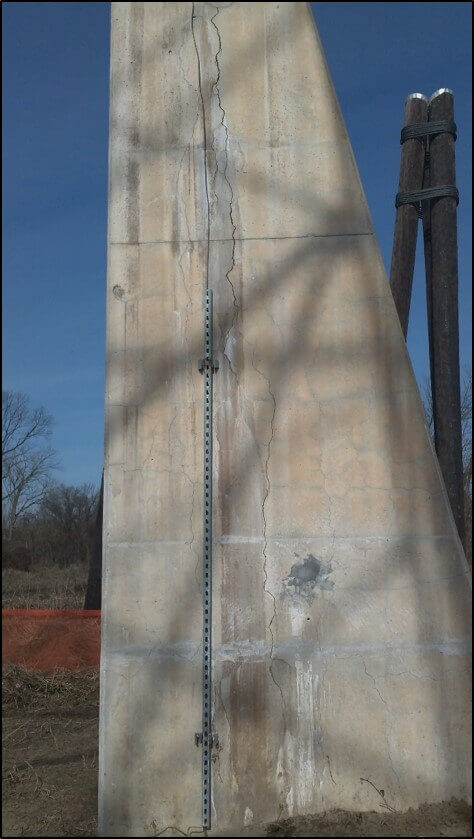
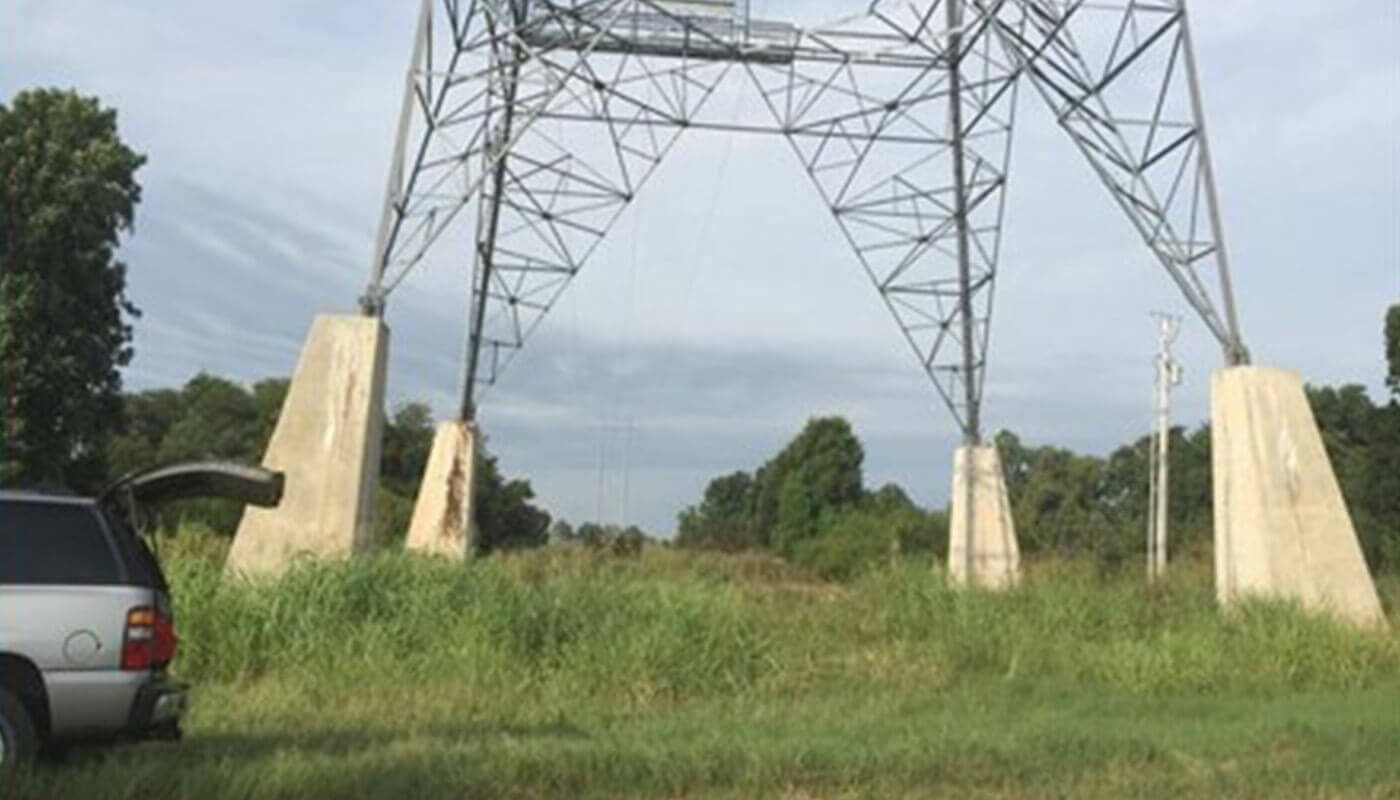
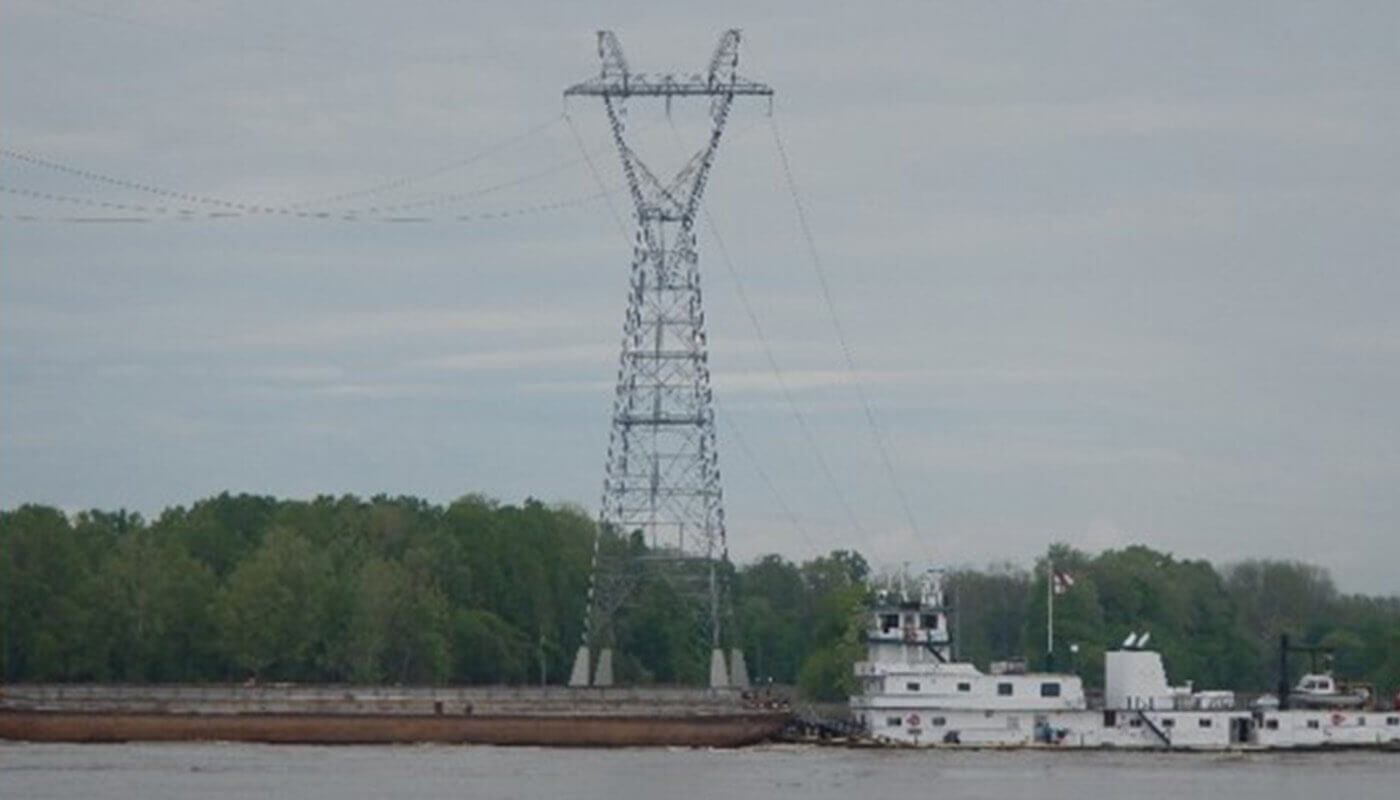
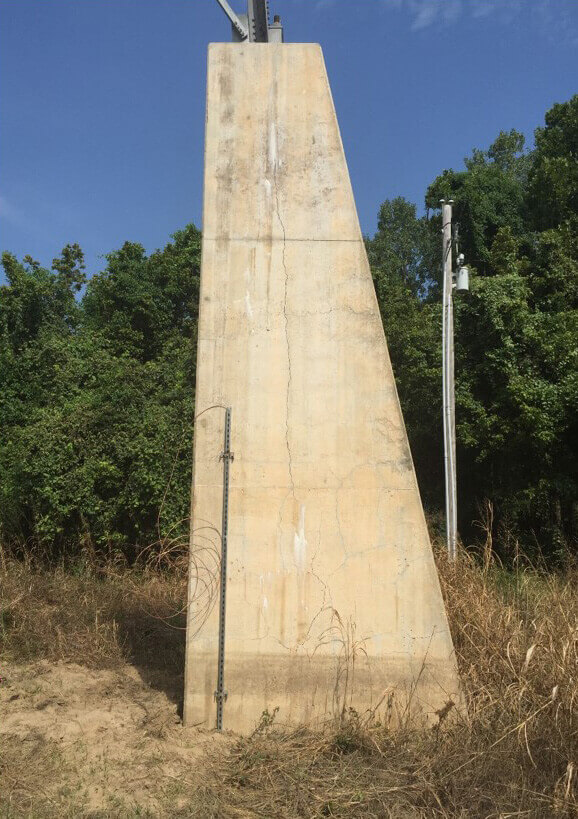
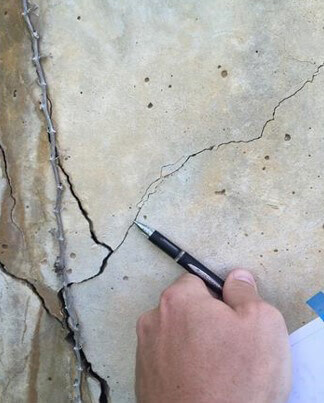
Entergy Arkansas, Inc., located in New Orleans, serves approximately 705,000 residential and commercial customers with electric services in the Mississippi-Arkansas region. During routine inspections of their transmission towers, several cracks were discovered in the concrete foundations of tower 106A in Luna, Arkansas and in the foundations of tower 107A in Greensville, Mississippi.
Repairing Cracks & Strengthening Foundations
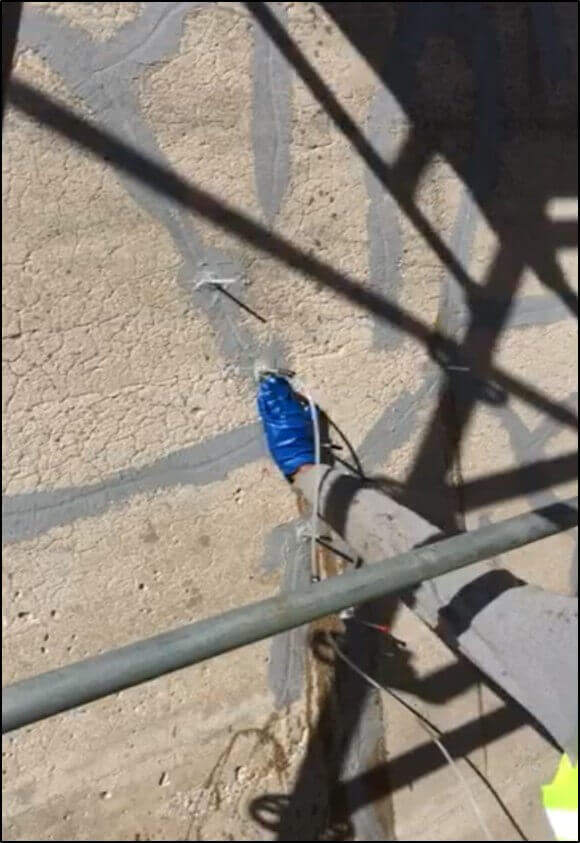
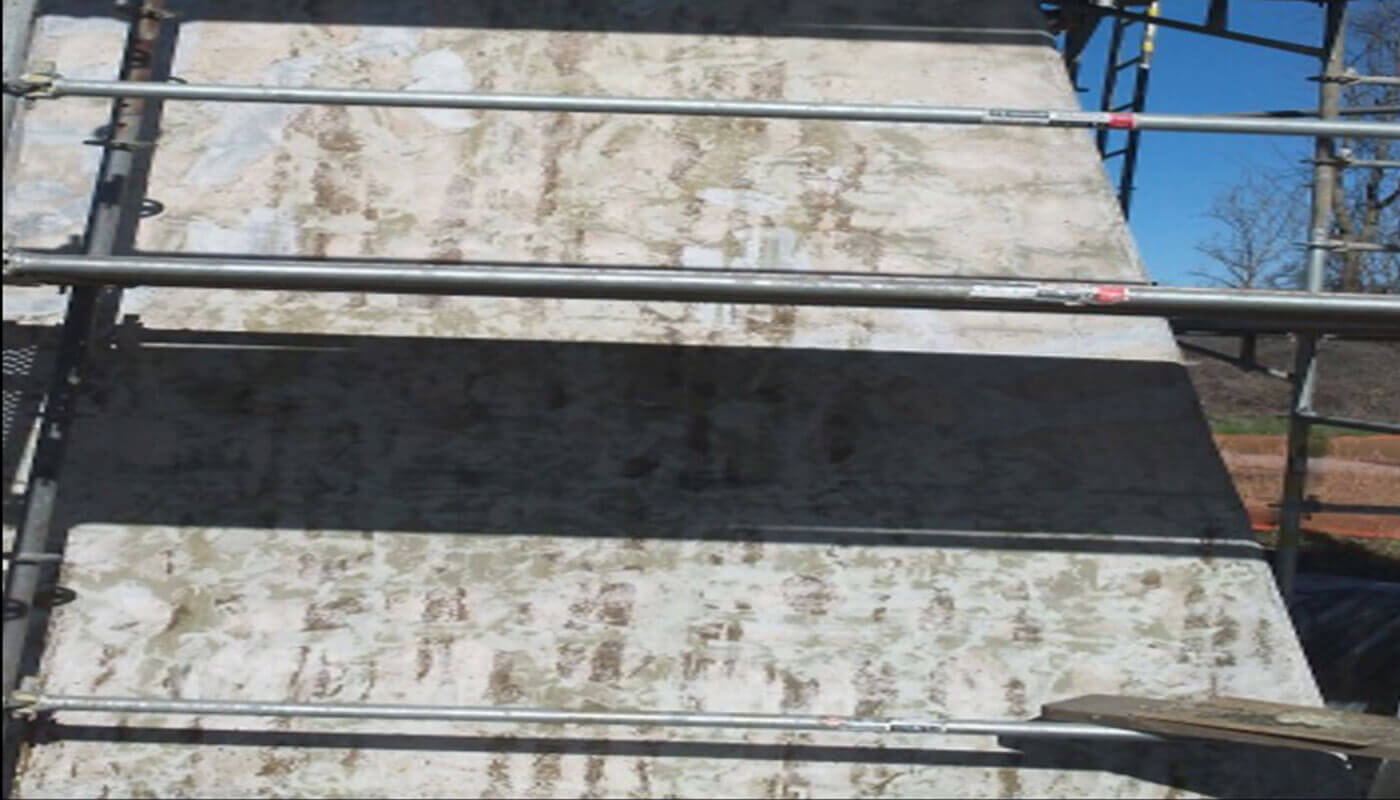
The towers were surveyed and monitored to track any movement or width changes in the cracking for several months. Additional concrete material testing, including petrographic analysis for Alkaiai-Silica Reaction (ASR) and Uranyl Acetate Reagent solution testing was also conducted. The structural evaluation report revealed that although the existing structure components had adequate strength to support the towers’ design loads, the discovered cracks were moving and propagating, and the effects of the external loads had also weakened the columns. It was determined that the best, and most cost-effective, solution was to repair the cracks by injecting them with epoxy, then strengthen the tower column supports using Tstrata’ V-Wrap™ C400H high-strength carbon fiber fabric and its V-Wrap™ Carbon FRP Rod.
Overcoming Challenges
Crews faced several challenges during the repair process and the installation of the FRP system, including extreme weather temperatures, high winds and heavy rains. These weather conditions also made travel and access to each tower and material and equipment storage near the towers difficult, requiring the use of all-terrain vehicles and crews to perform the work mostly on scaffolding.
Ultimately, this project was successfully completed to the owner’s satisfaction and within budget. Together, the contracting expertise of STRUCTURAL and the product and design solutions provided via Tstrata resolved the cracking and weakening in the transmission towers’ concrete foundations, increasing the life span of both structures.